Hidden storage within existing structures
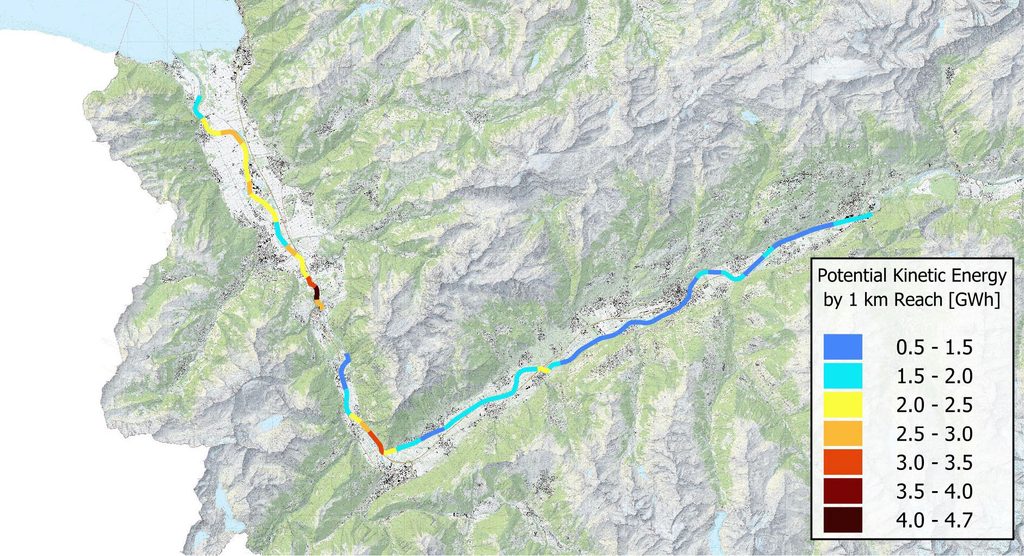
In Switzerland, Small-scale hydropower generates around 3.4 TWh per year, with an estimated additional potential of 770 GWh. However, these facilities play only a minor role in regulating the grid. The project explores an innovative approach: utilising «hidden» hydraulic volumes (the upper sections of penstocks and pressurisation chambers) to absorb short-term power peaks. No extra concrete: just a smarter use of what already exists.
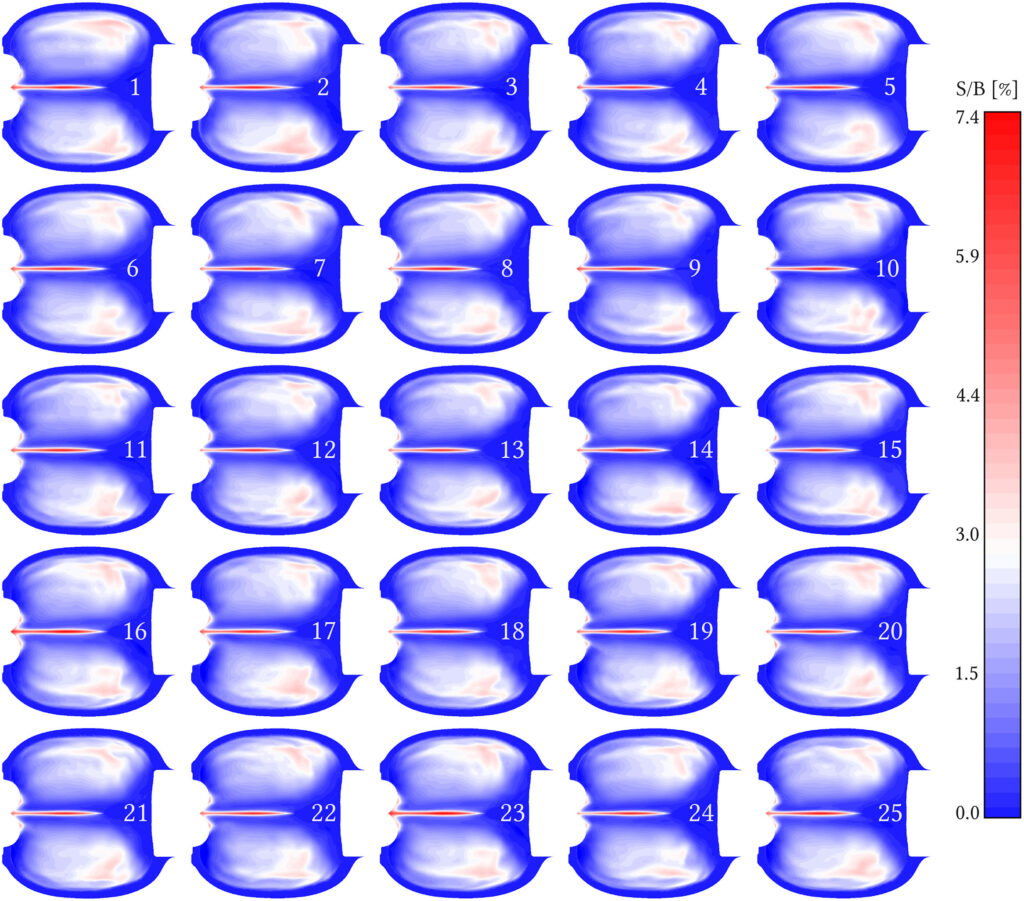
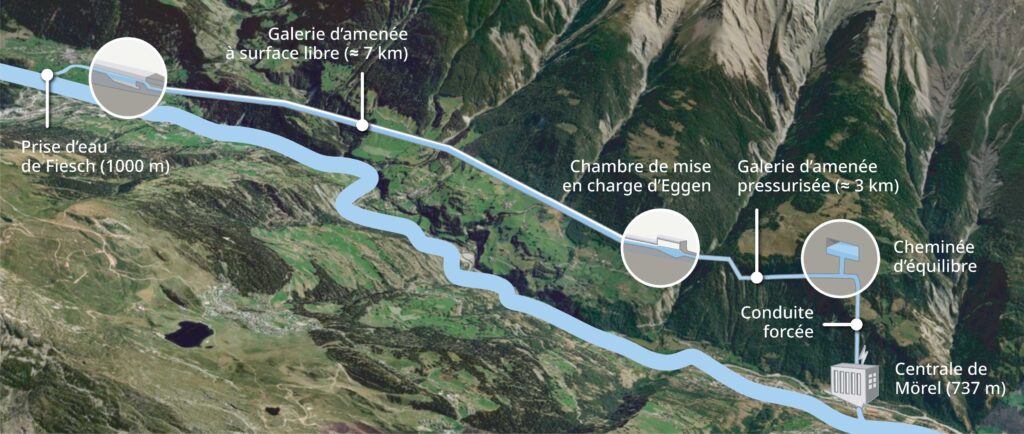
A survey of power stations between the source of the Rhône and Brig identified two priority sites: Mörel (three 17 MW Francis turbines) and Merezenbach (one 1.9 MW Pelton turbine). For each site, 1D/3D simulations modelled transient conditions and assessed the risk of air entrainment, a phenomenon that occurs during partial drainage of the pipeline and can cause severe mechanical damage. These models were validated by scale model tests at ETH Zurich.
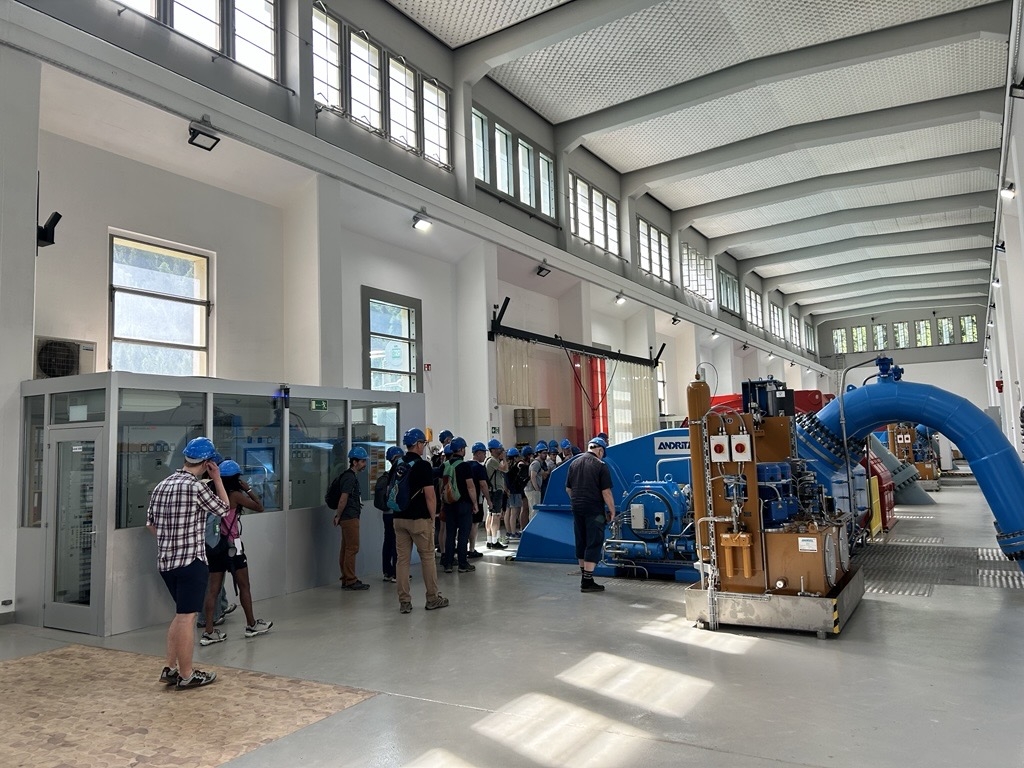
Successful on-site trials In March 2026, full-scale tests were conducted in Mörel by the Hydro Alps Lab using a multi-sensor data acquisition system and a Hydro-Clone digital twin to simulate the power station’s behaviour in real time. Result: power fluctuations of 1 to 3 MW over 900 seconds were validated using a single turbine, in accordance with Swissgrid’s primary control criteria (±200 mHz). FMV can now consider qualifying a unit for this service. At the Gletsch-Oberwald power station, which was studied during the previous SmallFlex project, the potential had been estimated at +130 kWh of winter production and +30,000 CHF/year in additional revenue.

Forecasts and hybrid virtual power plant
The project has also developed a hydro-meteorological forecasting tool showing that water inflows can be predicted with 70% accuracy for D+1 planning, compared with around 50% for solar and less than 30% for wind power: a significant operational advantage.
Finally, a forward-looking section explores the creation of virtual power plants (VPPs) combining hydro, solar, wind and battery storage. Simulations show that such a VPP can increase its revenue by 2 to 6 % depending on market conditions and installed storage capacity.
The methodologies developed in the Goms Valley can be applied to all Alpine valleys. The full scientific article is published at Bulletin.ch. The SmallFlex Goms project is funded by the SFOE and coordinated by the Hydro Alps Lab at the HES-SO Valais, in partnership with the WSL, ETH Zurich, the HEIG-VD, HDE, GMF and Alpiq.
Article written by Benjamin Bouix